




Olympic vs Standard Barbells – What is the difference?
Updated November 2022
Olympic Barbells vs Standard Barbells
So what is the difference between standard bars/barbells and Olympic bars/barbells? That's a good question and many people don't even realise that there is a difference between the two popular types of gym equipment, particularly given the common vernacular often used to describe them.
However, Olympic and standard bars are different in nature and which one you should choose for your home gym setup depends on your objectives.
Quick summary of the differences
Olympic bars are typically stronger, heavier and have a thicker diameter end sleeve than standard bars. As a consequence, Olympic bars also normally cost more.
Good olympic bars will typically carry higher weight ratings and can handle much higher weight than standard bars, that are made from a cheaper steel and often carry only entry level weight ratings of 100 - 150kg. Choose Olympic if you want to lift heavy.
A more detailed look into the differences between standard and Olympic barbells
Weight of the bar
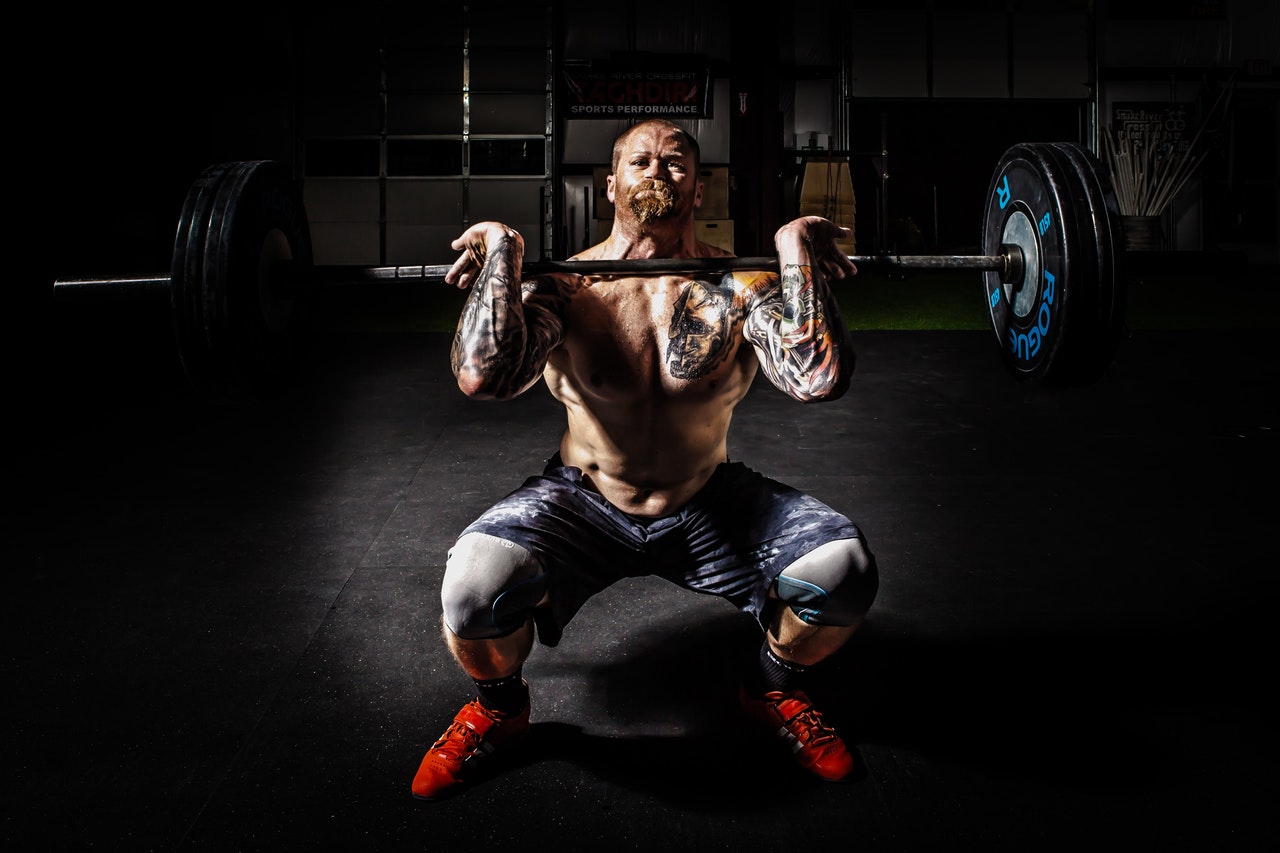
Standard bars are a lot lighter than Olympic bars due to the difference in steel, and the addition of thicker end sleeves. The weight of different bars vary with material and size, but typically we see standard bars coming in at 5 - 12kg (10 - 25lbs) and Olympic bars weighing 12 - 20kg (25 - 50lbs).
It goes without saying that this weight does not include the weight of the plates on the end of the barbell, or the collars. It may not seem like a lot, but the additional weight of an Olympic bar, if not taken into consideration, can add extra strain to your lifts.
The extra weight of an Olympic bar comes from the higher quality steel, its length, width, and the ends of the bar (bar sleeves). As they're designed to hold heavier weights, Olympic bars are longer, wider, and have larger bar ends.
Strength of the bar
Olympic bars are designed to withstand much higher weights than standard bars. Our Olympic bars rated between 320kg (700lb) and 950 (2,000lb), whereas our standard bars are only rated to 150kg. Never assume the amount of weight that your barbell can hold - always check with the manufacturer.
The additional strength of the bar comes from the higher quality steel used in Olympic bars. Made from better allows and under higher pressure, the spring steel can be made thinner, and stronger. By modifying the alloys, the amount of flex, or whip in the bar can also be adjusted.
Bar ends/sleeves
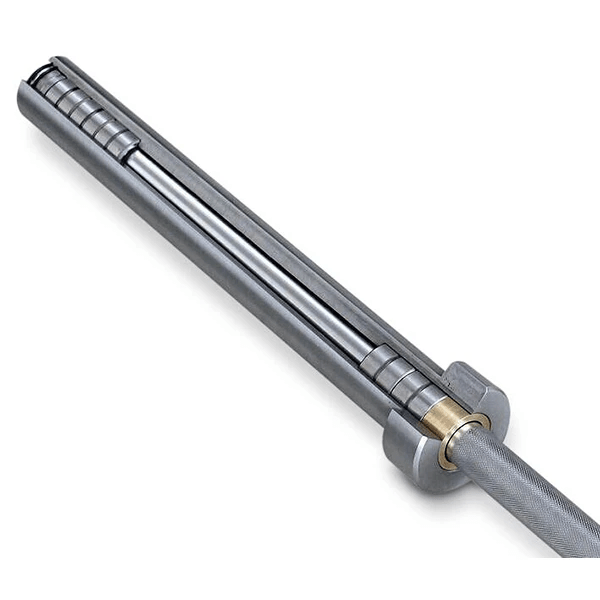
Olympic bars are clearly identifiable by their 50mm, or 2" ends. In most cases, the ends of the bar freely rotate. When you practice Olympic lifts or other CrossFit lifts, the rotation of the sleeve aids in reducing the level of torque created by the weight plates.
Try to visualise this: if you complete a clean and jerk movement you raise the barbell from the ground to above your own head. As the bar ascends it rotates, changing the position of the weights relative to the ground. This rotation creates torque, which can put additional strain on your wrists and shoulders.
The revolving ends on Olympic barbells allow the weights to spin freely, reducing the amount of torque and the strain on your wrists/shoulders.
The amount of spin of the bar is determined by whether the bar rotates on bushings, or bearings. These are discussed in another of our blog posts, but in summary, bearings (ball, needle or thrust) give a smoother spin so are preferred for olympic lifts, while bushings are stronger so preferred from powerlifting style.
Diameter

Standard bars are a full width of anywhere from 25mm (1 inch) in diameter to 28mm. While the main shaft of an olympic bar varies from 28-30mm (depending on the quality), the end sleeves on Olympic bars are 50mm (2 inches) in width.
Standard bar diameters vary across brands, mainly due to the quality of the steel (and standard weight plates often have different diameter holes). It's always important to check when purchasing a standard bar that your standard plates will fit it.
The same can be said of olympic bars, but to a lesser degree. A good quality olympic bar will have a consistent sleeve diameter with minor to no variation, whereas a cheap bar can have up to 2mm variance in diameter from 50mm.
It's important to make sure that you're matching the diameter of the end of your bar to the diameter of your weight plates. If not, you could be left with a stack of weights that you're unable to slide onto the end of your bar.
Cost
It's no surprise that Olympic barbells are more expensive than standard barbells. This is a consequence of a number of factors:
- Olympic bars often use better quality materials
- Olympic bars use more steel – as they are thicker and often longer than standard bars
- The revolving ends/sleeves on Olympic bars require additional technology and materials to manufacture. Visit this article if you'd like to understand the difference between bushings and bearings used in Olympic bar sleeves.
Which type of bar should you buy?
So how to decide? Think about where your training is going, and which type of gym equipment will get you there. Honestly! If you want to lift heavy, with a lot of dynamic movement, or you want to simulate the environment you're used to at the gym – go with Olympic. You'll need them sooner or later and it's cheaper in the long run.
If you're planning on doing some light working out at home - want to get some muscles or get in shape, or to supplement your regular gym schedule – go the standard plates and bars. They are cheaper, easier to get, and will do the job fine.
Feel free to take a look through our range of standard bars and olympic bars and send us an email if you’re having trouble deciding. We also have a range of bar and weight packages that can save you a couple of dollars in the long run.
